Middle East Drug Laws: UAE, Saudi Arabia, Qatar, A Zero-Tolerance Warning for Travelers
The Middle East has some of the harshest drug laws in the world. Possession of trace amounts can mean years in prison. Trafficking can mean death. This is not a drill.
The Stakes Are Absolute
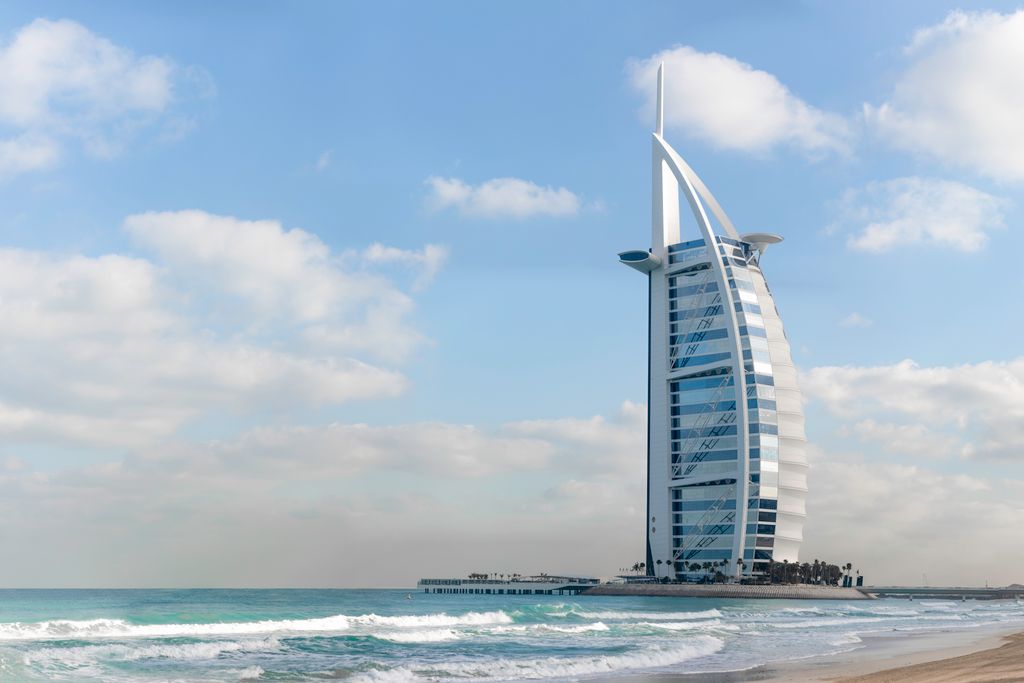
Image via Pexels (free to use)
This article exists because travelers walk into Middle Eastern airports every week carrying substances they did not know were illegal, or did not realize would be treated with zero tolerance. The consequences are not hypothetical. People are serving decades-long sentences right now. Some have been executed.
Testsubstances strongly advises: do not travel with any controlled substance, in any quantity, to any country in the Middle East. The risk is not worth it. There is no "personal use" exception that will protect you. The laws are brutal in other regions too. See how Southeast Asia's psychedelic tourism laws compare.
United Arab Emirates (UAE): Dubai and Abu Dhabi
The UAE projects an image of cosmopolitan tolerance, and many travelers assume that the legal environment around drugs is similarly relaxed. It is not.
What the Law Actually Says
- Possession of any amount of any illegal drug, including cannabis, MDMA, cocaine, opioids, and prescription medications classified as controlled, carries a minimum of 2 years imprisonment. In practice, sentences of 4-10 years are common for small amounts.
- Trafficking quantities carry life imprisonment or the death penalty. "Trafficking" is defined broadly and can include possession of amounts that might be considered personal use in other countries.
- Drug metabolites in your system, even from consumption that occurred legally in another country, can be treated as possession under UAE law. Blood and urine tests are conducted on arrival if authorities have any suspicion.
- CBD products, poppy seeds, and certain over-the-counter medications that are legal elsewhere are prohibited in the UAE.
Real Cases
- A British tourist was sentenced to 3 years in prison in Dubai after customs found 0.04 grams of cannabis stuck to the bottom of his shoe. He had smoked days earlier in the UK.
- An American was detained for 2 months after poppy seeds from a bread roll triggered a positive opiate test on arrival.
- In 2021, a British man was sentenced to 25 years for possessing CBD oil in his car, eventually pardoned after diplomatic intervention, but only after 2 years in detention.
Key Takeaway
The UAE conducts random drug screening at airports. Positive results, even from consumption abroad, are treated as possession. Do not travel to the UAE with any drug metabolites in your system if you can avoid it.
Source: UK Foreign Office, UAE travel advice
Saudi Arabia: Death Penalty for Drug Offenses
Saudi Arabia enforces one of the strictest drug policies in the world. The country executes more people for drug offenses than almost any other nation.
The Legal Reality
- Drug trafficking carries a mandatory death penalty. Saudi Arabia executed 81 people in a single day in 2022, many for drug-related offenses.
- Possession of any illegal drug can result in years of imprisonment, corporal punishment (flogging), and deportation with a permanent re-entry ban for foreigners.
- Hashish and cannabis are treated identically to heroin and cocaine, all carry the same extreme penalties.
- Smuggling drugs into Saudi Arabia, even residual amounts in clothing or luggage, is treated as trafficking. The death penalty applies.
- Prescription medications including codeine, tramadol, and many common painkillers and anxiety medications are strictly controlled. Travelers have been arrested for carrying prescription drugs without proper documentation.
What To Know Before You Go
- Carry a doctor's prescription and a letter for any medication. Even this may not protect you.
- Check the Saudi Food and Drug Authority's list of controlled medications before traveling.
- Understand that any contact with illegal drugs in Saudi Arabia, possession, use, or trafficking, carries a genuine risk of execution.
Source: Human Rights Watch, Saudi Arabia executions
Qatar, Oman, Kuwait, and Bahrain
These Gulf states all enforce similarly strict drug laws:
- Qatar: Minimum 2 years for possession; trafficking carries the death penalty. The 2022 World Cup did not change drug enforcement, several visitors were arrested.
- Oman: Severe prison sentences for possession; death penalty for trafficking. Zero tolerance for cannabis in any form.
- Kuwait: Up to 10 years for first-time possession; death penalty for trafficking.
- Bahrain: Heavy prison sentences and deportation for possession. Mandatory minimums apply.

Protect your connection while traveling
What This Means for Harm Reduction
The harm reduction calculation is straightforward: in the Middle East, the legal danger of drug possession far exceeds any conceivable benefit. The advice is unambiguous:
- Do not carry any controlled substance into any Middle Eastern country.
- Do not assume prescription medications are legal, check every substance against the destination country's controlled list.
- Understand that prior consumption can be detected and prosecuted. Drug metabolites remain in urine for days (amphetamines), weeks (cannabis), or months (chronic cannabis use).
- Consular assistance is extremely limited. Embassies cannot override local law. If you are arrested, your government can provide a list of local lawyers, and often not much more.
If you use substances, test them at home, know what they are, and never carry them across borders. The price of a single mistake in the Middle East can be your freedom or your life.
Ready to Test Safely?
All reagents, test strips, and testing accessories mentioned in this guide are available in our catalog — shipped discreetly worldwide.