Drug Distribution Networks in Asia: Nigeria-Japan and West Africa-Thailand — A Traveler's Warning
Organized drug networks target tourists across Asia. Nigerian groups in Japan and West African gangs in Thailand follow documented patterns. Know the risks before you travel.
Why This Matters
Travelers in Asia sometimes encounter drug distribution networks that operate differently from what they might expect at home. Two specific patterns have been documented by law enforcement across East and Southeast Asia: Nigerian-organized networks in Japan and West African drug trafficking groups operating in Thailand. Understanding these patterns is part of staying safe abroad.
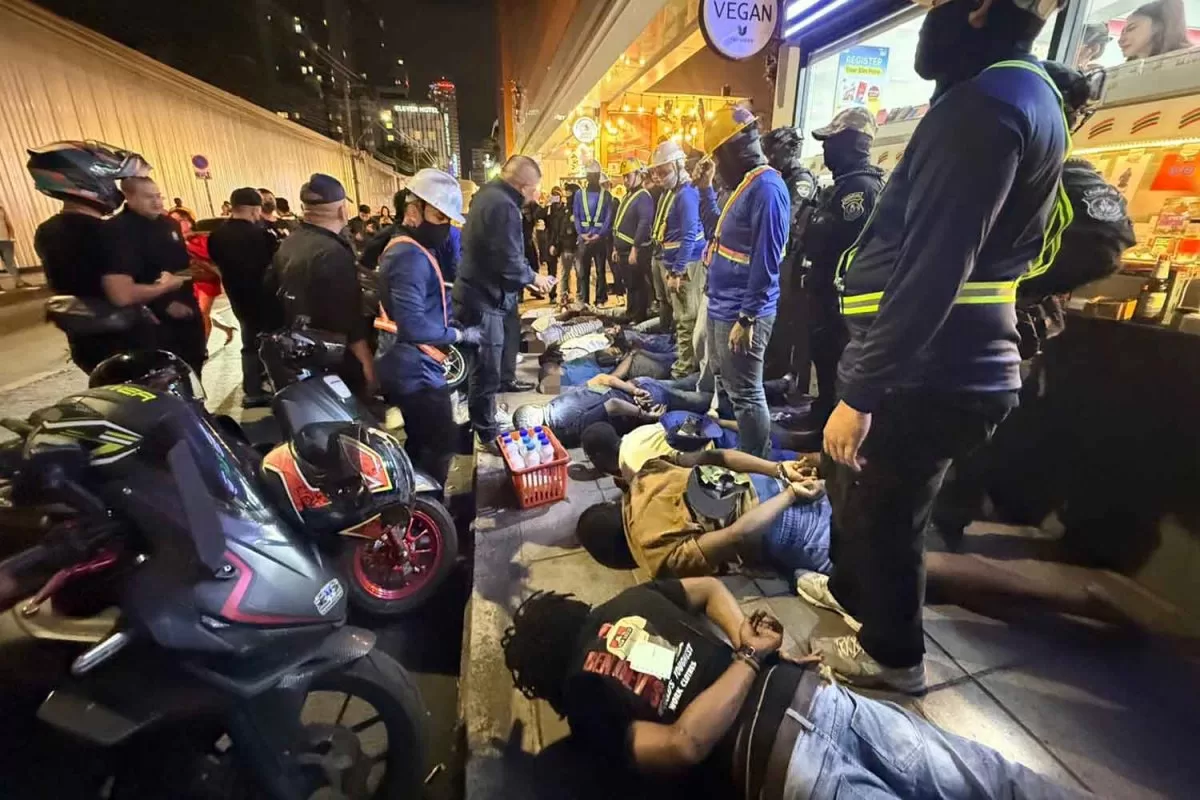
Image source: The Guardian Nigeria — guardian.ng
Nigerian Drug Networks in Japan: What Travelers Should Know
Japan has strict drug laws and an active organized crime enforcement apparatus. Nigerian-organized drug networks have operated in Japan since the 1980s, primarily involved in the distribution of methamphetamine and, increasingly, MDMA and cocaine in entertainment districts.
How These Networks Operate
Recruitment and targeting:
- Nigerian nationals often act as street-level distributors in nightlife areas, particularly in Tokyo (Roppongi, Kabukicho), Osaka (Shinsaibashi), and Nagoya
- They frequently approach foreign tourists and residents, offering drugs in bars, clubs, and on the street
- Initial offers may be friendly, persistent, or create a sense of obligation
The escalation pattern:
- What starts as a casual offer can escalate into pressure, threats, or demands for payment for drugs that were initially offered as "free samples"
- Some operations involve loans or credit that become impossible to repay, leading to demands that the victim participate in trafficking to clear the debt
Japanese Law Enforcement Response
Japanese police have conducted multiple operations targeting these networks:
- In 2023, Tokyo Metropolitan Police arrested multiple Nigerian nationals in coordinated raids across Roppongi and Kabukicho
- Japan's Narcotics Control Law carries severe penalties: possession of methamphetamine can result in 1-10 years imprisonment; trafficking can lead to life imprisonment
- Foreign nationals convicted of drug offenses are typically deported after serving their sentence and permanently banned from re-entering Japan
Safety Recommendations for Japan
- Politely but firmly decline any offers of drugs from strangers in entertainment districts
- Do not give your contact information or hotel details to anyone offering substances
- Be aware that accepting a "free sample" can create an expectation of payment or future purchase
- If you feel you are being followed or threatened, immediately enter a police box (koban) or convenience store and call 110
Sources: Japan Times, Tokyo Reporter, National Police Agency (Japan) annual reports
West African Drug Trafficking in Thailand: The Street-Level Reality
Thailand has become a significant transit and distribution hub for drug trafficking organizations, including networks originating from West Africa — particularly Nigeria, Ghana, and Ivory Coast. These groups have been documented operating in Bangkok, Pattaya, Phuket, and Koh Samui.
How These Networks Operate
Tourist areas as distribution points:
- West African distributors frequently operate in tourist-heavy areas: Khao San Road and Sukhumvit in Bangkok; Walking Street in Pattaya; Patong Beach in Phuket
- They often pose as friendly locals, tourists, or business owners offering various services before pivoting to drug offers
- MDMA, cocaine, and methamphetamine are the primary substances distributed
The "business partner" approach:
- A common tactic involves befriending tourists over several days, building trust before offering drugs
- Some operations involve offers to "go into business together" by transporting small packages — which may contain drugs
- Tourists who agree to transport packages, even unknowingly, face the same trafficking charges as intentional smugglers
Documented Cases
- In 2024, Thai police arrested a network of West African nationals operating a cocaine distribution ring targeting tourists in Bangkok's Sukhumvit area
- Multiple cases of foreign tourists arrested in Phuket and Koh Phangan after accepting drugs from West African distributors, then being caught in police checkpoints
- Thai immigration authorities have noted an increase in West African nationals entering on tourist visas who subsequently engage in drug distribution
Thai Law Enforcement Response
- The Narcotics Suppression Bureau (NSB) actively monitors known distribution points in tourist areas
- Undercover operations are common — the person offering you drugs may be a police informant
- Thailand's Narcotics Act carries severe penalties: up to life imprisonment for possession with intent to distribute, and the death penalty for large-scale trafficking
Safety Recommendations for Thailand
- Do not accept any substance from someone you just met, regardless of how friendly or trustworthy they seem
- Be extremely cautious of new "friends" who quickly pivot to discussing drugs or business opportunities involving transporting items
- Understand that Thailand has zero tolerance for drug trafficking — ignorance is not a defense
- If arrested, immediately contact your embassy or consulate, but understand they cannot override Thai law
Sources: Bangkok Post, The Nation (Thailand), United Nations Office on Drugs and Crime (UNODC) Southeast Asia reports
The Broader Pattern: Organized Crime and Drug Distribution in Asia
These are not isolated incidents. Organized crime groups — regardless of nationality — operate wherever there is demand, weak enforcement, and vulnerable populations. In many Asian countries, the combination of strict drug laws and active tourism creates a high-risk environment for both distributors and consumers.
Key patterns across Asia:
- Drug distribution networks often exploit language barriers, assuming foreign tourists will be unable or unwilling to report crimes
- Tourists are viewed as high-value targets — they have money, limited local knowledge, and are unlikely to remain in the country long enough to testify
- The line between consumer and trafficker can blur when tourists agree to hold, transport, or share substances — which may be legally defined as trafficking
What This Means for You
If you are traveling in Japan, Thailand, or anywhere in Southeast Asia:
- The safest interaction with any drug offer is no interaction. Politely disengage and leave the situation
- Do not assume shared language or nationality means shared values. Criminal networks are sophisticated and exploitative
- Understand the legal consequences. You are subject to local law, not your home country's law. Penalties can include decades in prison, deportation blacklists, or worse
- If you use drugs, test everything, know your source, and never carry more than personal use quantities — though even personal use carries severe penalties in many Asian countries
This article is not legal advice. It is published for harm reduction purposes: understanding real-world risks allows travelers to make informed decisions and avoid dangerous situations. The mention of specific nationalities reflects documented law enforcement patterns and is not a statement about any nationality or ethnic group as a whole.
Related harm reduction resources:
- Drug Laws in Thailand, China & Southeast Asia — country-by-country legal penalties
- Drug Testing for Beginners — everything you need to start testing
- How to Test MDMA Safely — the three-reagent protocol
- Cocaine Testing Guide — identify cuts and adulterants before you consume The mention of specific nationalities reflects documented law enforcement patterns and is not a statement about any nationality or ethnic group as a whole. Criminal behavior exists across all demographics — these specific patterns are highlighted because they disproportionately affect tourist populations in these regions.*
Ready to Test Safely?
All reagents, test strips, and testing accessories mentioned in this guide are available in our catalog — shipped discreetly worldwide.